The biggest growth opportunity in Philippine advertising may already be here, but the challenge is whether brands are willing to change how they see the Filipino audience.
That was one of the key messages that emerged at the Philippine Advertising Conference (AdCon) 2026, held at the Mactan Expo Center in Lapu-Lapu City, Cebu, last May 29, where the country’s leading marketers, advertisers, media practitioners, and business leaders gathered to discuss the future of the industry.
Among the invited speakers were representatives from RMN Networks Marketing and Media Ventures (RMN): Executive Vice President and Chief Operating Officer Erika Canoy-Sanchez, and Chief Integrated Marketing Officer Tristan Nacino. Joining discussions on regional media, consumer behavior, audience attention, and the evolving role of media, RMN Networks shared hyperlocal insights drawn from decades of serving communities across the Philippines.
Throughout the day, conversations explored the relevance of culture in advertising, rising trends in the digital creator sphere, regional audiences, their media consumption and behaviors, and more.
Yet despite the different perspectives heard on stage, most discussions kept pointing to the challenge facing brands today. For all the attention placed on Metro Manila, some of the country’s biggest growth opportunities are increasingly coming from Visayas and Mindanao.
According to Norman Davadilla of Moving Walls and Miko Manalo of Publicis, around 60% of Philippine consumption now comes from Visayas and Mindanao, yet these regions receive only about 25% of advertising investments. The gap highlights a disconnect between where growth is happening and where many brands continue to focus their attention.
The Myth of the “One Philippines” Audience
For years, many national campaigns have been built around a Manila-centric view of the Filipino consumer. But in a country as diverse as the Philippines, audiences are shaped by different cultures, languages, history, and lived experiences.
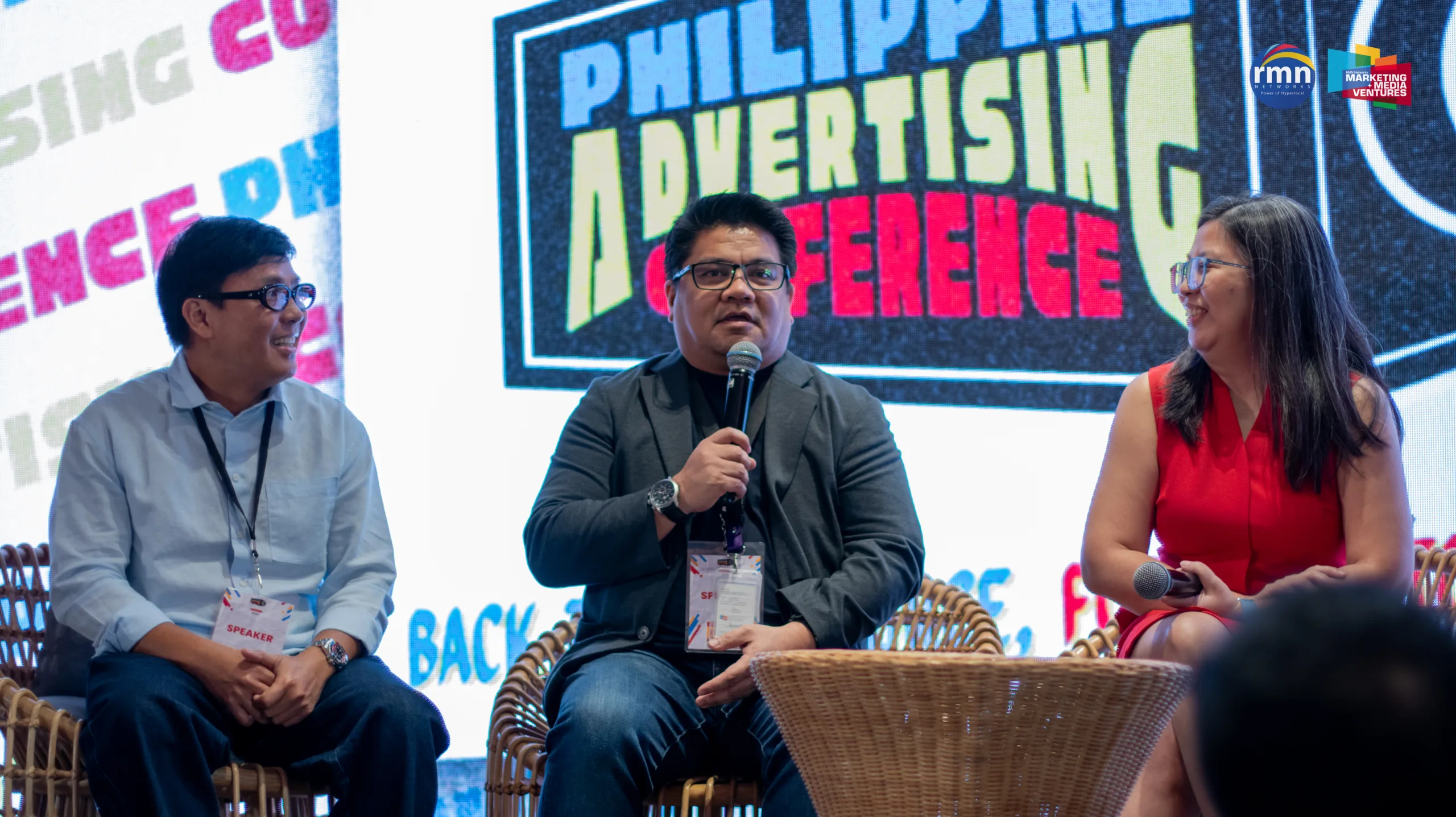
(From L-R) Norman Davadilla of Moving Walls, Tristan Nacino of RMN Networks, and Memo Moreno of WPP Media
As RMN Chief Integrated Marketing Officer, Tristan Nacino pointed out: “We are an archipelago of 7,600 islands… 42,000 barangays, 1,400 municipalities, 149 cities, 82 provinces, and 182 languages.”
This idea echoed throughout the conference.
Unilever Philippines Head of Marketing and Transformation Lead Dennis Perez said, “People may share the same geography but not the same culture.” A message that resonates in one market may not necessarily connect in another because audiences interpret brands through different cultural contexts.
The difference becomes even more apparent when consumer behavior is examined at a regional level.
During a fireside chat, GCash Chief Marketing Officer Neil Trinidad shared how consumer behavior varies across regions. While many users in Luzon treat GCash as a default platform for payments, investments, and borrowing, consumers in the Visayas often use it for practical needs such as bill payments. In Mindanao, adoption remains more cautious, shaped by stronger preferences for cash, community trust, and word-of-mouth validation.
Lapu-Lapu City Chamber of Commerce and Industry President Anthony Noel recalled the famous 1999 “Donut, Bai?” commercial from the 16th Advertising Congress. While memorable to Cebuano audiences, the phrase sounded remarkably similar to “Do not buy” when heard in English, illustrating how cultural context can completely change how a message is understood.
Taken together, these examples point to a simple reality that audiences outside Metro Manila cannot be treated as extensions of a national market.
Regionalization Is Not Just Translation
For brands, recognizing these differences is only the first step. The opportunity in Visayas and Mindanao is there, but understanding these markets requires more than just translating campaigns into the local language.
According to RMN Executive Vice President and Chief Operating Officer Erika Canoy-Sanchez:“Regional is less about geography and more about understanding personalities, culture, and context.” A Gen Z consumer in Cagayan De Oro may have different motivations, priorities, and influences from a Gen Z consumer in Manila. Even neighboring cities can have distinct cultural nuances that shape how people perceive brands.
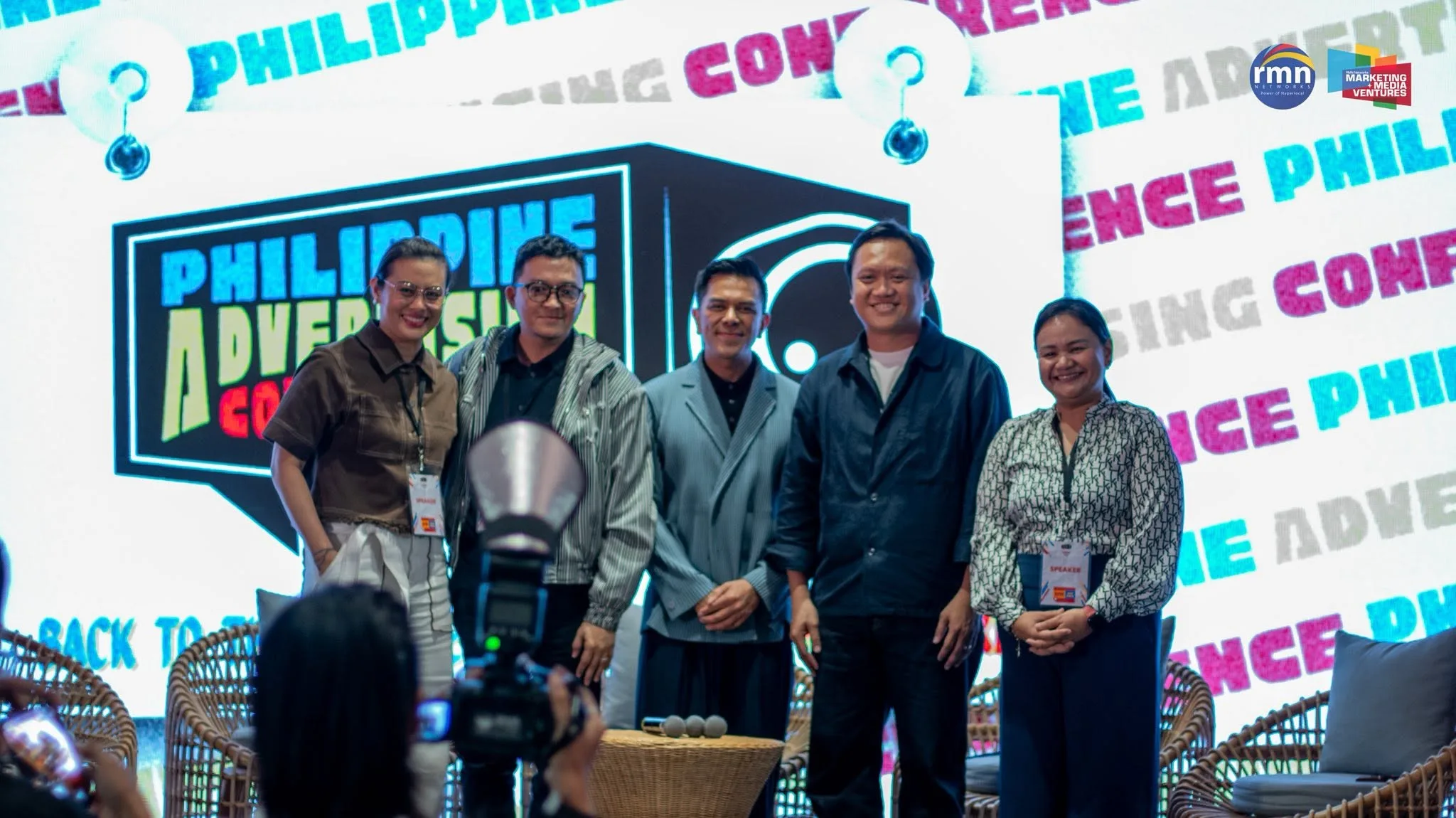
(From L-R) Erika Canoy-Sanchez of The RMN Networks, Emm Ordinanza of Nestle, Neil Trinidad of GCash, Jun Guevara of Samsung, and Shayne Madamba of Hakuhodo Intl.
Instead of casting the widest possible net, campaigns need to start with local understanding and build outward from there. As Tristan put it:“Brands will continue to misunderstand regional audiences if they keep national reach a priority beyond local relevance.”
This puts a different perspective on regionalization. Simply translating the campaign’s language doesn’t automatically connect with people. Rather, for brands looking to build authentic connections, it all starts with understanding the nooks and crannies of the communities they are speaking to, from the humor, their experiences, to what makes them tick.
Media as Strategic Partner for Brands, Not Just Distribution
The same principle applies to regional media.
Local media organizations understand the language, humor, sensitivities, and realities of the communities they serve. They often have relationships and credibility that cannot be replicated through reach alone.
For Erika, one reason campaigns struggle is that local partners are frequently brought in only after strategies have already been finalized. By then, opportunities to shape messaging around local nuances have already been missed.
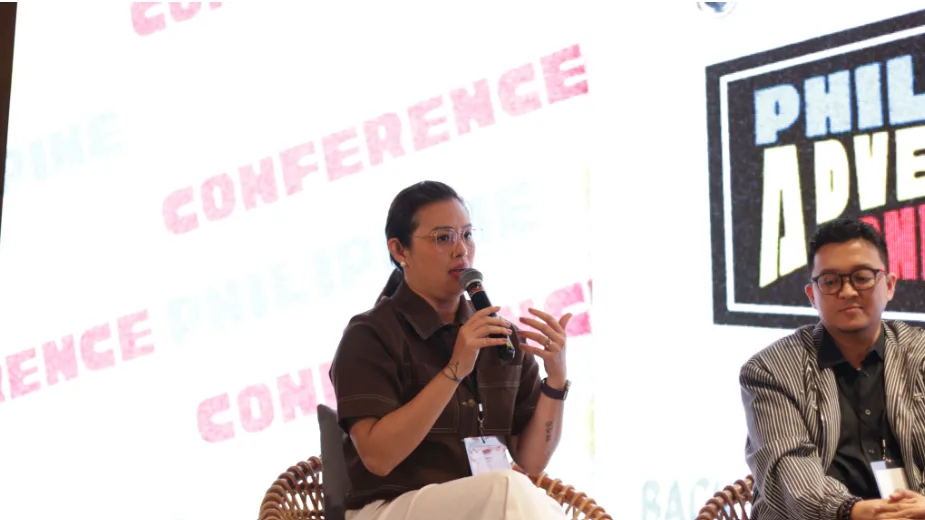
“For Erika, ‘Regional is less about geography and more about personalities,’” during her fireside chat.
Instead of simply being tasked to execute campaigns, regional media partners should be involved much earlier in the process.
She argues that the conversation should not be, “Run five spots a day for seven days.” It should be, “Here’s our business objective. How can we make this resonate with your market?”
That shift positions media from just a distribution channel into a strategic partner. Brands should now be looking for partners who can help them understand audiences, identify opportunities, and translate insights into meaningful engagement.
“As a network and as a partner to a lot of brands, I think where we want to be is…we do more of having a much more collaborative relationship,” Erika said.
This way of thinking is not new for the network. In 2024, RMN Networks and the Republiq Group of Companies introduced Media BAI, a thought-leadership initiative designed as a first-of-its-kind learning program to understand VisMin culture better. In this event, the network gave brands an authentic VisMin experience, going so far as to fly Lechon from Cebu and bring Mindanaoan DJs and more to Metro Manila.
This has also led to a different way of thinking about what the network offers.
“Radio is not actually dying. It’s the box that’s gone,” Tristan explained.
While younger marketers may be less familiar with radio as a channel, local communities continue to rely on trusted voices and platforms that understand their realities.
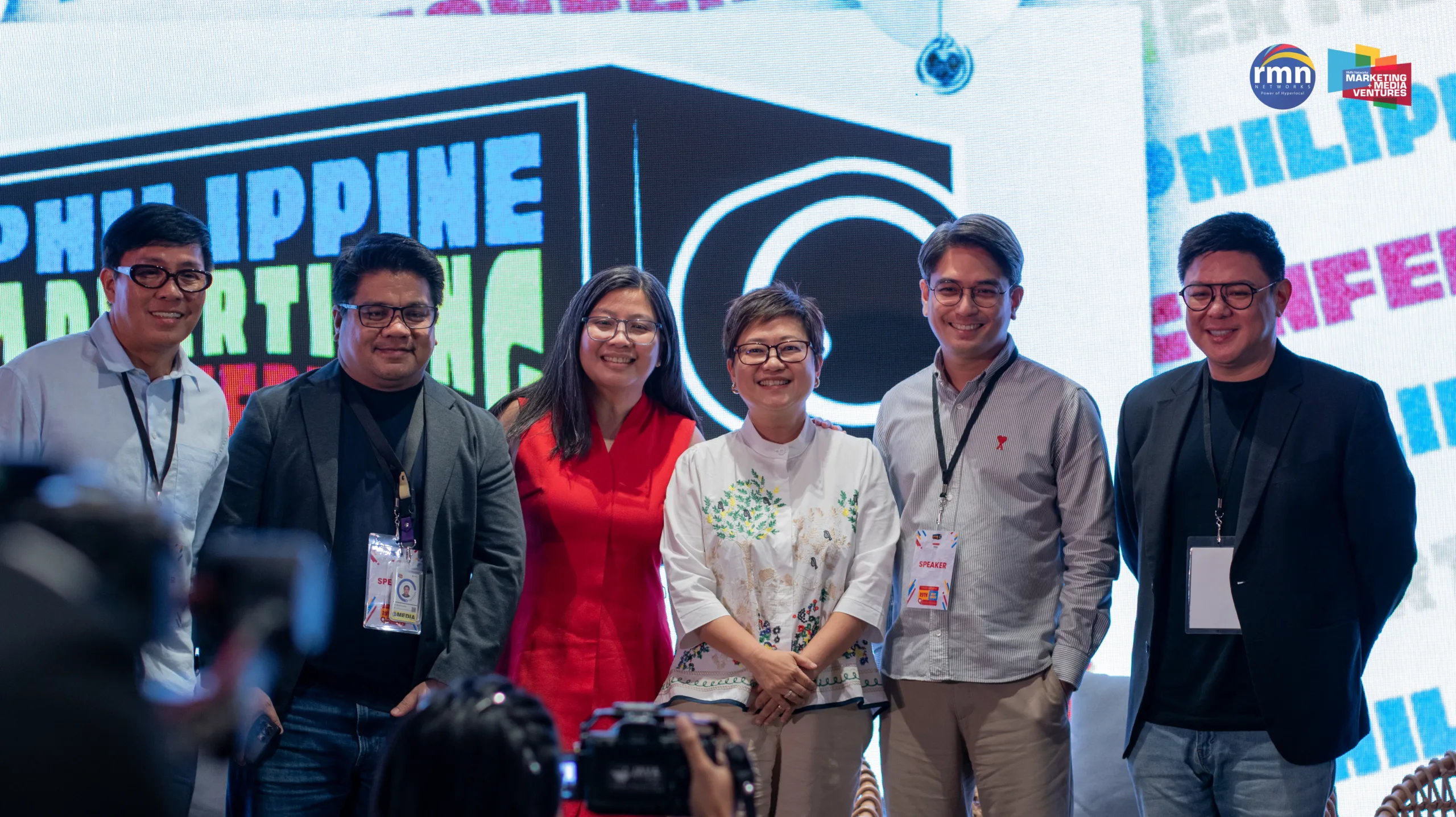
(From L-R) Norman Davadilla of Moving Walls, Tristan Nacino of The RMN Networks, Memo Moreno of WPP Media, Joanna Chan-Mojica, Miko Manalo of Publicis, and James Lim of NutriAsia.
Today, RMN Network’s role extends far beyond traditional airtime. Through its 360X Media ecosystem, the network combines on-air, online, on-point (research), on-ground, and on-the-road activations to help brands build deeper connections with consumers.
“More often than not, the conversation always is, ‘for x number of spots, bibigyan kita ng event.’ It’s no longer that. We want to change the conversation. That’s why when we developed [360X Media], it’s an ongoing circle of different channels. From on-air, on-ground, online, so it’s all working together to complement that one message,” Tristan said.
This evolution also extends beyond campaign execution. RMN Networks is exploring ways to turn its nationwide reach into a source of near real-time audience insights for brands.
“Imagine 44 stations doing research for you… If I can give you close-to-real-time data, if you want to get the sentiments of the Cebuanos now, I will run and activate my station to check quickly. It’s really presenting how radio can evolve as a traditional medium,” Tristan continued.
The Future Is Hyperlocal
The conversations at AdCon 2026 made one thing clear. If brands want to keep growing, they will need to move beyond Manila-centric thinking and pay closer attention to Visayas and Mindanao at the grassroots level, where real demand is taking shape.
This shift also changes what media is expected to be. It is no longer enough to simply amplify and distribute campaigns. Media partners are now being looked to for their deeper understanding of the communities they serve and the context that shapes how messages are received.
With nearly 75 years of experience in connecting with communities across the country through hyperlocal storytelling, RMN Networks has long operated on the idea that the Philippines is not one uniform market, but a network of distinct communities with their own cultures, nuances, and ways of seeing the world.
That perspective is increasingly aligned with where the industry is heading. Advertising is moving toward a model that depends less on broad assumptions and more on the insights of partners who understand local realities up close.
And as that shift continues, the brands that listen and adapt to these nuances will be the ones that move ahead.
Because the future of advertising is hyperlocal.
RMN Networks works with brands to turn local insights into campaigns that hit the mark and stay in the hearts of communities through hyperlocal storytelling. For inquiries, contact innovations@mmv.ph.
AdCon 2026 was spearheaded by the Republiq Group of Companies (RGC) in collaboration with AboitizPower, Visayan Electric Company, and MobileAP, in partnership with Lapu-Lapu City, the Lapu-Lapu City Chamber of Commerce and Industry, Cebu Chamber of Commerce and Industry, Cebu Business Month, DMAP, CICP, 4As, and the Talisay City Chamber of Commerce and Industry. RMN Networks is the official radio partner of the event.